
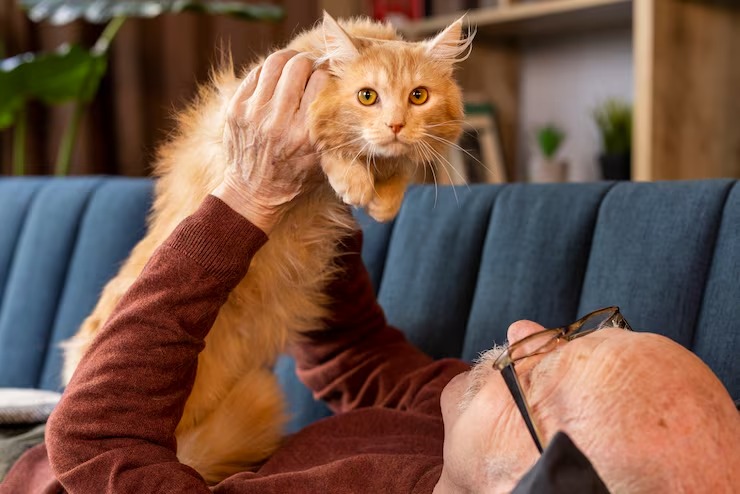

Quick Answer: When evaluating a Maine Coon for sale, buyers should verify documented lineage, confirm health testing for hypertrophic cardiomyopathy and hip dysplasia, and observe the kitten’s temperament and socialization before purchase. Maine Coons are one of the largest domestic cat breeds, recognized for their friendly, dog-like temperament, tufted paws, and long, water-resistant coat. Reputable sellers provide veterinary records and are transparent about the breed’s known health predispositions.
The Maine Coon has a reputation that precedes most people’s first encounter with one. Stories about cats the size of small dogs, with personalities to match, circulate widely enough that buyers sometimes go looking for a Maine Coon with expectations shaped more by internet anecdotes than by the actual breed standard. That gap between expectation and reality is worth closing before any purchase decision.
This guide covers what genuinely defines the breed, the specific health concerns worth screening for, and what separates a responsible breeder from a seller capitalizing on demand for a Maine Coon for sale without the breeding practices to back it up.
What Actually Defines a Maine Coon
The Maine Coon is one of the oldest natural cat breeds in North America, originating in the state of Maine and recognized for centuries before formal cat breed registries existed. The Cat Fanciers’ Association (CFA) breed standard describes several defining physical traits that distinguish a genuine Maine Coon from a large domestic shorthair or mixed-breed cat sometimes marketed under the name.
Size: Maine Coons are among the largest domestic cat breeds, with males typically weighing 13 to 18 pounds and females 8 to 12 pounds at full maturity, which is not reached until 3 to 5 years of age, notably slower than most cat breeds.
Coat: A long, shaggy, water-resistant double coat, heavier around the neck (often called a “ruff” or “lion’s mane” appearance) and britches on the hind legs, developed originally to withstand harsh New England winters.
Ears and tufting: Large, well-tufted ears with lynx-like tips, and tufted paws sometimes called “snowshoes,” both functional adaptations for cold climates that remain part of the breed standard today.
Body structure: A rectangular, muscular body with a broad chest, and a long, bushy tail that the cat can wrap around itself for warmth.
Temperament: Often described as dog-like in their sociability, Maine Coons are known for following their owners around the house, being generally good with children and other pets, and displaying a notably gentle, even-tempered disposition for a breed of their size.
The Health Conditions Every Buyer Should Screen For
Like most purebred animals, Maine Coons carry breed-specific health predispositions that responsible breeders actively screen against.
Hypertrophic Cardiomyopathy (HCM)
HCM is the most significant health concern in the breed, a thickening of the heart muscle that can lead to heart failure if undetected. Reputable Maine Coon breeders screen their breeding cats through cardiac ultrasound (echocardiogram), and some lines are tested for the specific genetic mutation associated with HCM in Maine Coons, identified by Washington State University’s veterinary genetics laboratory. Buyers should ask directly whether the kitten’s parents have been cardiac screened, and request documentation.
Hip Dysplasia
Despite being a cat breed, Maine Coons have a higher incidence of hip dysplasia than most other cat breeds, likely related to their larger body size and rapid early growth. Responsible breeders may have hip evaluations on file for breeding stock, particularly in larger or more established catteries.
Spinal Muscular Atrophy (SMA)
A genetic condition specific to Maine Coons causing progressive muscle weakness, typically becoming apparent between 3 and 4 months of age. Genetic testing for the SMA mutation is available and used by careful breeders to avoid producing affected kittens.
Polycystic Kidney Disease: Less common in Maine Coons specifically than in some other breeds, but still worth asking about if the breeder’s lines have any crossover with breeds where PKD is more prevalent.
What a Responsible Maine Coon Breeder or Seller Provides

Documented lineage and registration: Papers from a recognized registry (CFA, TICA, or an equivalent international body) confirming the kitten’s pedigree, distinguishing a genuine Maine Coon from a large mixed-breed cat marketed under the name due to surface resemblance.
Health testing documentation: Evidence of cardiac screening for HCM in the parents, and ideally genetic testing results for SMA, provided proactively rather than only when specifically requested.
Age-appropriate placement: Most reputable breeders do not release kittens before 12 weeks of age, allowing adequate time for early socialization, vaccination schedules, and weaning to complete properly.
Clear health guarantee terms: A written guarantee against genetic conditions, with reasonable terms and a real veterinary partnership behind it, rather than vague verbal assurances.
Transparency about growth expectations: Because Maine Coons mature slowly, taking 3 to 5 years to reach full size, a responsible seller sets realistic expectations about the kitten’s growth trajectory rather than guaranteeing a specific adult size at the point of sale.
Red Flags When Evaluating a Maine Coon for Sale
No willingness to provide health testing documentation: If cardiac screening or genetic test results are unavailable or the seller is vague about whether testing occurred at all, that is a meaningful concern given how serious HCM can be in this breed.
Kittens available far younger than 12 weeks: Early release, sometimes as young as 6 or 8 weeks, increases health and behavioral risk and often indicates a seller prioritizing turnover over the kitten’s development.
Vague or inconsistent claims about lineage: A genuine Maine Coon breeder can speak specifically about the cattery’s lines, related cats, and breeding history. Generic or evasive answers about pedigree are a signal to ask more questions or look elsewhere.
Pressure to decide quickly: Responsible breeders generally welcome questions and a thoughtful decision process. Pressure tactics around limited availability or urgency are more characteristic of high-volume sellers than careful breeding programs.
Frequently Asked Questions
Q: How can I tell if a Maine Coon for sale is actually purebred?
Ask for registration papers from a recognized cat registry such as CFA or TICA, which document the kitten’s pedigree. Physical traits alone, like size or a fluffy coat, are not sufficient confirmation, since mixed-breed cats can share a superficial resemblance to genuine Maine Coons without the documented lineage.
Q: What health tests should Maine Coon parents have before breeding?
Cardiac screening for hypertrophic cardiomyopathy (HCM) through echocardiogram is the most important test given the breed’s predisposition to this condition. Genetic testing for spinal muscular atrophy (SMA) and hip evaluations are also valuable additional screening that responsible breeders often provide.
Q: How long does it take for a Maine Coon to reach full size?
Maine Coons mature unusually slowly compared to most cat breeds, typically not reaching full adult size and weight until 3 to 5 years of age. A kitten or young adult will continue filling out and growing well beyond the size most other cat breeds reach at full maturity.
Q: Are Maine Coons good with children and other pets?
Generally, yes. The breed is widely known for a gentle, sociable, dog-like temperament that typically adapts well to households with children and other animals, though individual temperament still varies and early socialization plays a meaningful role in how a specific kitten develops.
Q: What is a reasonable price range for a Maine Coon kitten?
Pricing varies significantly based on lineage, health testing documentation, breeder reputation, and regional market conditions. Kittens from health-tested, registered lines with documented cardiac and genetic screening typically command higher prices than unverified or undocumented kittens, reflecting the real cost and risk reduction that responsible breeding provides.