
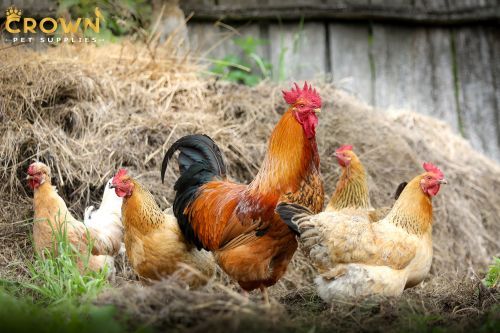

A healthy, productive flock doesn’t happen by accident. It’s the result of consistent care, smart planning, and investing in the right chicken supplies from day one. Whether you’re raising a small backyard flock or managing a growing coop, having proper equipment, balanced nutrition, and a clear understanding of health tools like corid for chickens is essential. From feeders and waterers to vitamins, probiotics, and targeted treatments, every element works together to support immunity, egg production, and overall vitality. This guide explores how to build a holistic care system that turns routine chicken keeping into long-term success.
Building the backbone of your coop with quality chicken supplies
Before supplements or treatments ever come into play, your physical setup sets the tone for flock health. Poor infrastructure often leads to stress, disease, and wasted money.
Housing, ventilation, and safety essentials
A well-designed coop protects chickens from predators, weather extremes, and unnecessary stress. Key considerations include:
- Proper ventilation to remove moisture and ammonia without creating drafts
- Secure doors, latches, and hardware cloth to keep predators out
- Adequate space to prevent overcrowding, which can lead to aggression and illness
Comfortable roosts and dry flooring reduce foot injuries and respiratory issues, helping birds conserve energy for growth and egg production.
Feeders, waterers, and daily-use equipment
Among the most important chicken supplies are feeders and waterers. Clean access to food and water directly impacts digestion and immunity.
- Elevated or hanging feeders reduce contamination and feed waste
- Nipple or gravity waterers help keep water clean and limit bacterial growth
- Backup waterers and feeders are smart investments during extreme weather or emergencies
Consistent sanitation of these tools is one of the easiest ways to prevent disease outbreaks.
Nesting materials and bedding management
Clean nesting boxes lined with straw, pine shavings, or hemp bedding encourage proper laying behavior and cleaner eggs. Bedding also plays a role in insulation and moisture control. Regular replacement or deep-litter management reduces parasite loads and keeps your coop environment stable.
Nutrition beyond feed — supplements that support performance
While a balanced commercial feed provides the nutritional base, supplements can significantly improve flock outcomes when used strategically.
Hen vitamins and poultry supplements
Hen vitamins are popular among flock owners because they address gaps that occur during stress, molting, or seasonal changes. With regular use, many keepers notice:
- Improved feather quality and faster molt recovery
- Brighter combs and wattles, signaling better circulation and health
- More consistent egg-laying patterns
A single bottle of chicken vitamins often lasts months for small flocks, making them a cost-effective addition to your chicken supplies inventory.
Probiotics for gut and immune health
Probiotics support beneficial gut bacteria, improving nutrient absorption and natural disease resistance. Many chicken keepers use probiotics year-round, especially:
- After antibiotic treatments
- During feed changes
- In young or recently stressed birds
Healthy digestion leads to better feed efficiency and stronger immune responses.
Electrolytes during stress periods
Electrolytes aren’t meant for daily use, but rotating them in during heat waves, transport, illness, or extreme stress helps prevent dehydration and metabolic imbalance. This short-term support can mean the difference between a quick recovery and prolonged weakness.
Understanding disease management and corid for chickens
Even with excellent care, health challenges can arise. Knowing how to respond responsibly is a hallmark of good flock management.
What corid for chickens is used for
Corid for chickens, containing amprolium, is a treatment used to control coccidiosis — a parasitic intestinal disease that commonly affects young birds or stressed flocks. Symptoms may include:
- Lethargy and reduced appetite
- Diarrhea, sometimes bloody
- Poor growth or sudden drops in egg production
When used correctly, corid for chickens helps interrupt the parasite’s lifecycle and allows the intestinal lining to heal.
Responsible and informed use
It’s important to understand that corid for chickens is not a daily supplement or preventative vitamin. Best practices include:
- Using it only when coccidiosis is suspected or confirmed
- Following label instructions and recommended treatment duration
- Consulting a veterinarian or poultry extension service when unsure
Overuse or misuse of medications can weaken natural immunity and lead to resistance issues.
Prevention through management
Good sanitation, dry bedding, proper stocking density, and clean water systems significantly reduce the likelihood of coccidiosis. In many cases, strong management practices minimize the need for treatments altogether.
Creating a simple, effective care routine
Consistency is the secret weapon of successful chicken keepers.
Daily and weekly habits
- Daily: refresh water, check feeders, observe flock behavior, collect eggs
- Weekly: clean feeders and waterers, inspect bedding, look for signs of illness or parasites
Early detection of changes in behavior or droppings often prevents major health problems.
Monthly and seasonal planning
- Monthly: deep-clean sections of the coop, inspect structural integrity, review supply levels
- Seasonal: adjust nutrition and supplements for heat, cold, molting, or production changes
Having a stocked supply area with essential chicken supplies, vitamins, probiotics, and emergency treatments saves time and reduces stress when issues arise.
Conclusion
Thriving flocks are built on preparation, not reaction. By investing in durable chicken supplies, supporting nutrition with hen vitamins and probiotics, and using tools like corid for chickens responsibly, you create a balanced care system that promotes long-term health and productivity. When combined with clean housing, smart routines, and stress-aware supplementation, these practices transform chicken keeping from a challenge into a rewarding, sustainable experience. With the right approach, your flock won’t just survive — it will truly thrive.